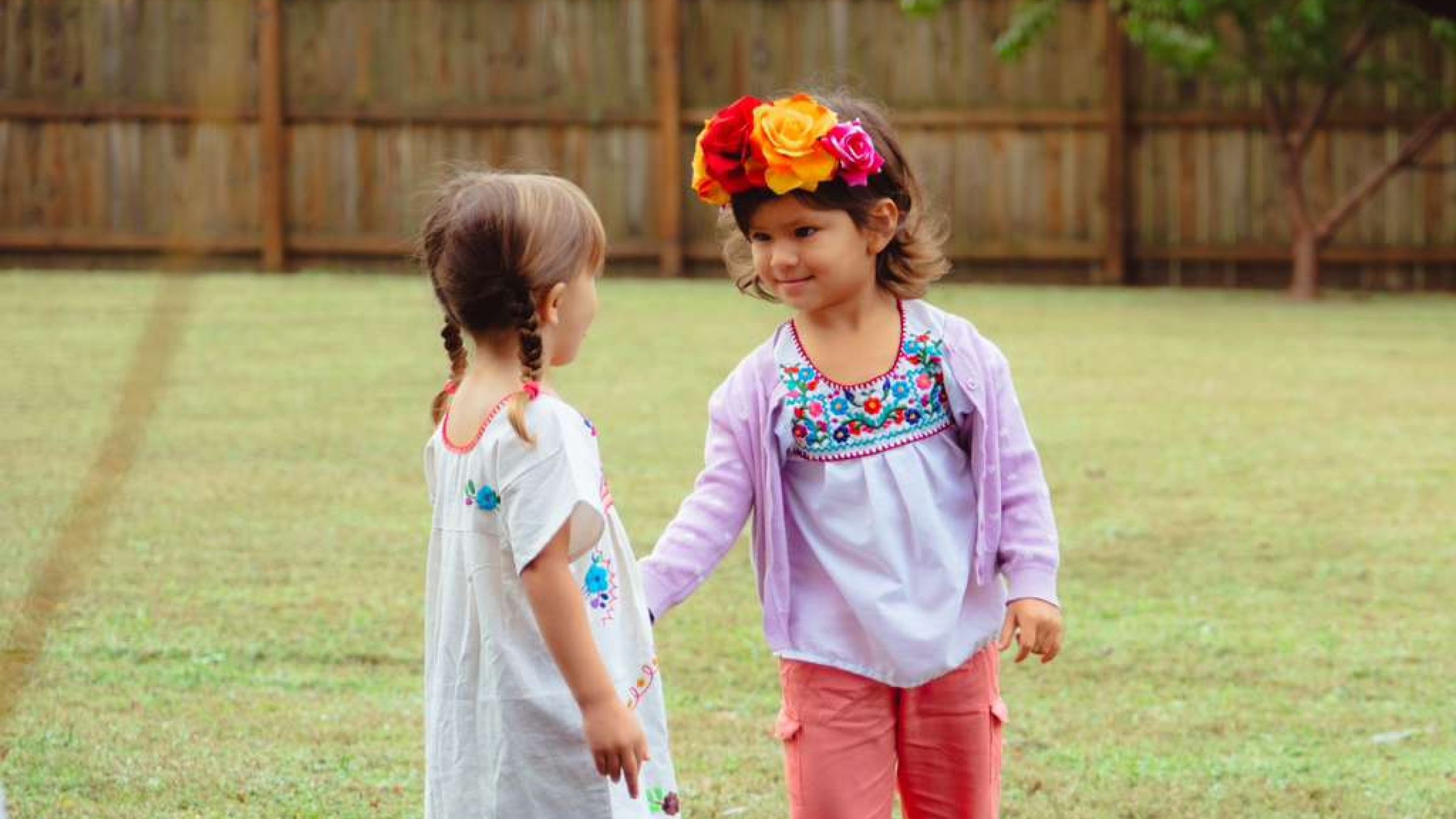
BilingualKid Spanish Immersion Preschool, located in Henrico, Virginia, serves 25 students ages two through third-grade in a multilingual, multicultural, and nature-rich learning environment. BilingualKid is a family-owned program with native Spanish-speaking educators who integrate Spanish, English, and American Sign Language into daily instruction. Children spend significant time outdoors each day–at least two hours–in a nature-based classroom and year-round organic garden. Students engage in exploration, gardening, and hands-on discovery. BilingualKid’s approach to learning blends Virginia Department of Education-aligned instruction, STREAMin³ curriculum, and emergent, play-based learning to nurture kind, curious, and globally minded children.
Natural Start spoke with BilingualKid Spanish Immersion Preschool’s Founder, Claudia Robles, to learn more.
How does your preschool program nurture appreciation for our multilingual, multicultural nation?
At BilingualKid, nurturing appreciation for a multilingual and multicultural nation is at the heart of our mission. Our Spanish immersion program, led by native Spanish-speaking teachers, introduces children to language and culture through meaningful, joyful, and developmentally appropriate experiences. Children learn Spanish naturally through play, stories, music, movement, and hands-on exploration—all while developing a deeper understanding of the world and the diverse communities within it.
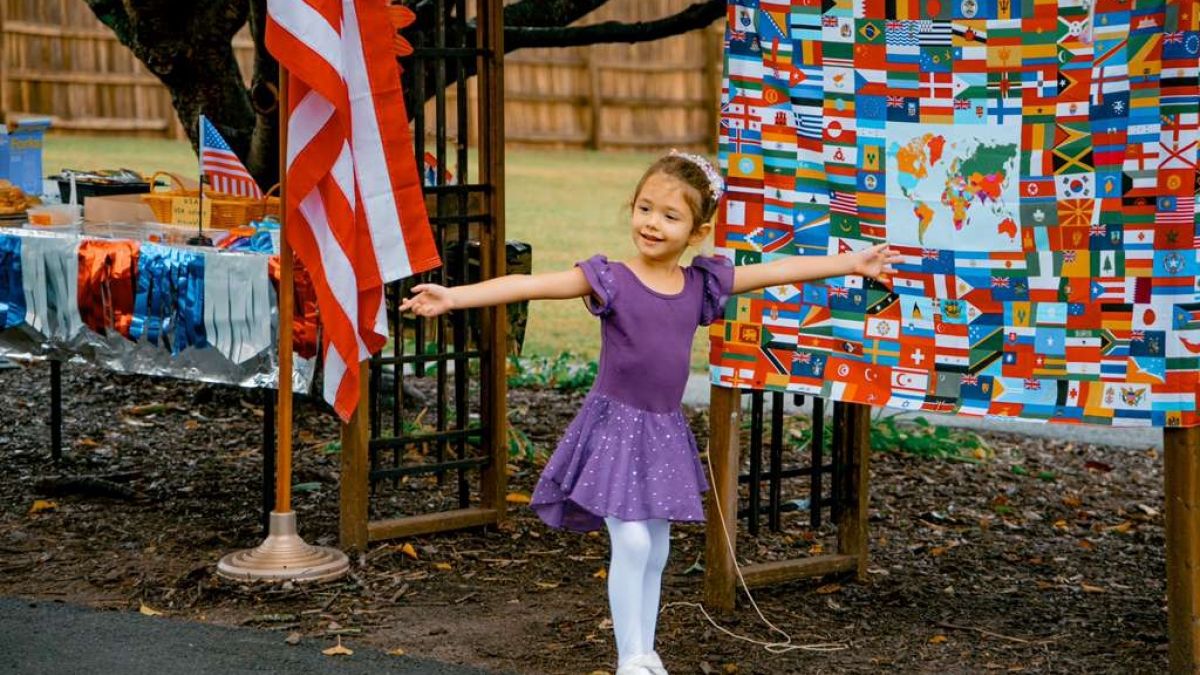
We incorporate traditions, geography, food, music, art, and celebrations from Spanish-speaking countries throughout the year. These experiences help children build cultural awareness, empathy, and respect for identities different from their own. We believe that children become kinder world citizens when they grow up seeing multilingualism and multiculturalism as enriching and fully normal.
American Sign Language (ASL) plays a powerful role in supporting this mission. We use ASL daily as a bridge between English and Spanish. Signing not only strengthens language comprehension and vocabulary, but also introduces children early on to a key language of the Deaf community. By embracing ASL as part of our curriculum, we help children understand that communication takes many forms, and we foster inclusivity, accessibility, and respect for diverse language communities from a young age.
How does nature-based play and learning help your program promote diversity?
Nature-based learning allows every child to participate, explore, and express themselves in culturally authentic and developmentally meaningful ways. In outdoor spaces, children’s ideas guide the curriculum, giving every child a voice regardless of language proficiency, cultural background, or learning style.
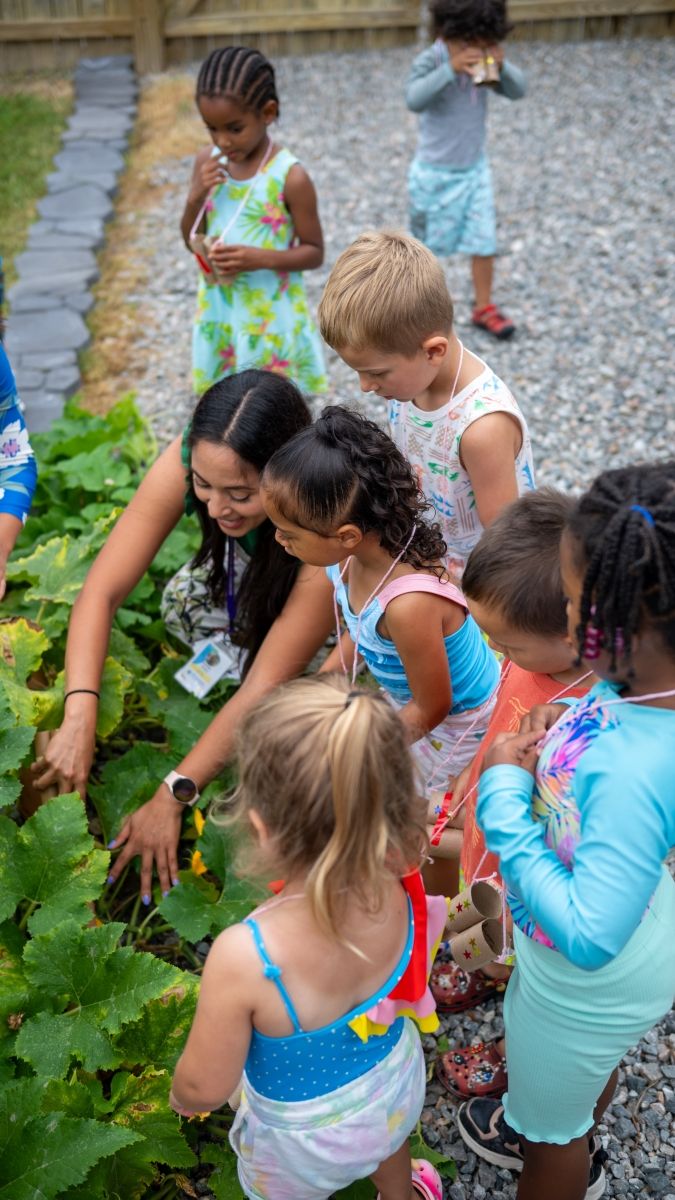
Our nature program integrates gardening, caring for animals and insects, harvesting fruits and vegetables, exploring loose parts, and participating in outdoor play every day. Children develop curiosity, confidence, and problem-solving skills that transcend linguistic differences. Nature becomes a “universal language” where teamwork, joy, and discovery connect children across cultures.
Additionally, our year-round organic garden introduces children to foods grown around the world–tomatoes, peppers, herbs, beans, squash, melons, berries, and more–which fosters conversations about cultural dishes, family traditions, and the global origins of our food systems. Outdoor learning reinforces our belief that diversity extends beyond people. It is reflected in ecosystems, plants, animals, and the environment that surrounds us. Recognizing and caring for this diversity helps children grow into compassionate, eco-literate citizens.
Your program is featured on the updated Discover the Forest website demonstrating the “Gifts of Green” activity. What was the experience like for your students, and would you do it again?
Participating in the “Gifts of Green” activity was a joyful, meaningful, and empowering experience for our students! They were excited to explore nature with intention, observing their surroundings, practicing gratitude, and recognizing how fortunate they are to have access to our outdoor classroom. Many children expressed appreciation for being able to harvest fruits and vegetables, run freely on the grass, enjoy the natural shade from mature trees, and learn in a space where nature is part of our daily routine.
The activity of creating binoculars out of recycled materials deepened their connection to the natural world. It helped them understand that nature offers gifts we cannot buy: beauty, calmness, curiosity, and inspiration. During our nature walk, students proudly identified plants that were ready to harvest, watered our garden, and shared their observations with peers. They compared leaves, searched for insects, asked thoughtful questions, and described their discoveries through a written letter in Spanish about what they were most thankful for.
This experience strengthened language development, science inquiry, creativity, and community-building, all while fostering a genuine sense of gratitude for the environment. We would absolutely participate in this activity again. It aligns perfectly with our mission to integrate multilingual learning, nature-based education, and the natural curiosity of early childhood.
Activities like “Gifts of Green” remind us that when children experience nature in joyful, hands-on, and meaningful ways, they grow into environmentally conscious, curious, and compassionate humans.