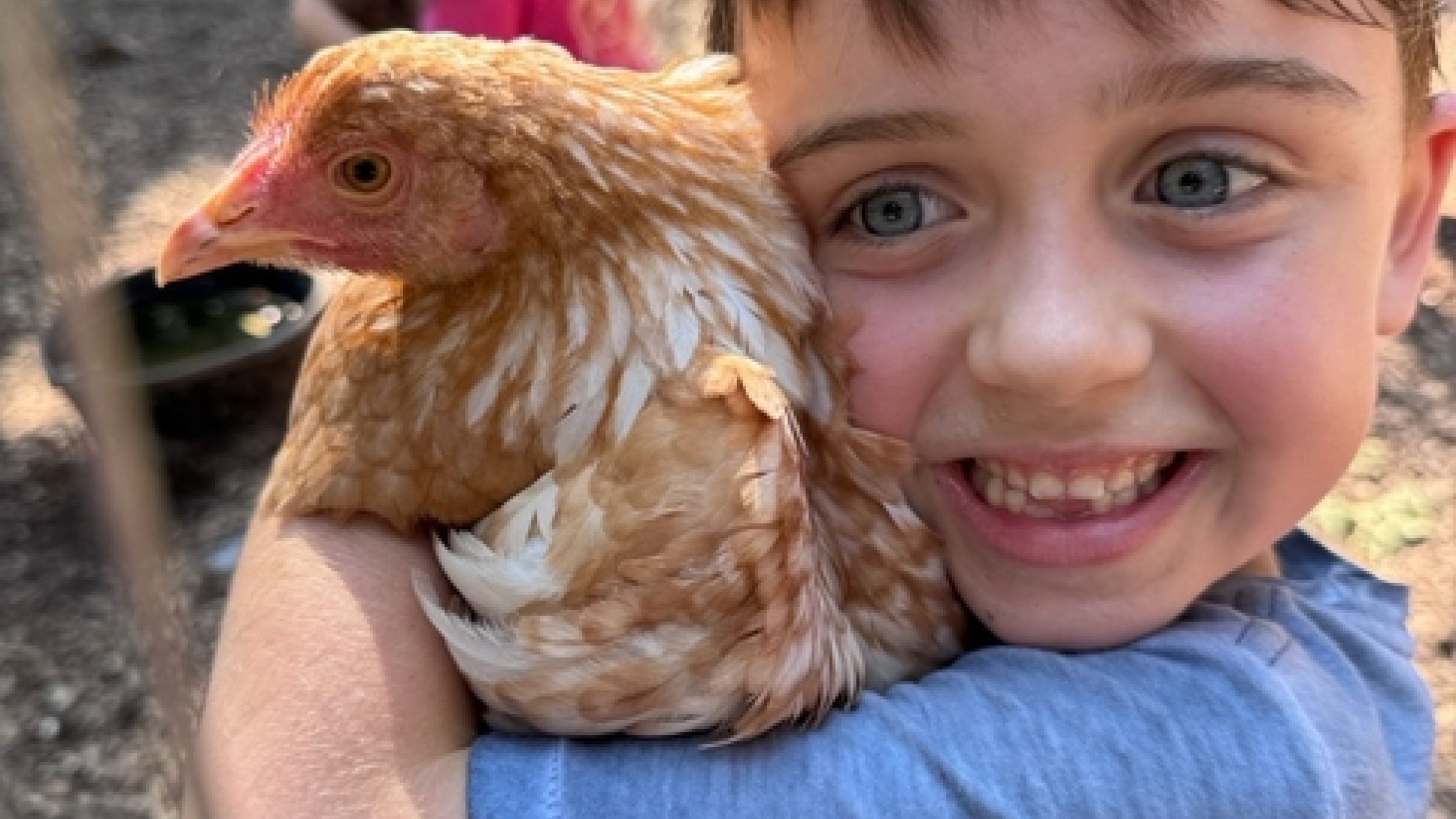
Photo Credit: Turn Back Time
Turn Back Time (TBT) is a nonprofit nature-based education center located on 58 acres of farm and forest in Paxton, Massachusetts. It began with its founders’ vision of a place where all children, especially those who struggle with challenging behavior, could succeed, and has grown into a mission to help people recognize nature’s ability to heal and teach through educational programs and nature play.
The property includes two yurts, a barn classroom, an extensive trail system, a working farm, and an active beaver pond. TBT serves about 130 children per week during the school year, and 50 campers a day in the summer during its six-week multi-age camp. TBT also hosts local college classes, public school field trips, and weekend family rentals, and serves as a visiting site for therapeutic programs for children and adults with special needs and adults in recovery.
TBT’s curriculum is nature-based, place-based, integrated, and emergent, offering hands-on, experiential learning that helps children become lifelong learners. Self-guided play is its guiding philosophy and the foundation for each of its goals: meeting state early childhood standards, raising future farmers and environmental stewards, and supporting children’s mental and physical health. The Farm and Forest Preschool Program runs from September through June and aims to spend 75% of the year outdoors. In fall and spring, children are outside all day, building resilience as they adapt to changing weather, and when conditions become unsafe, staff bring them into warm, nurturing indoor spaces.
Natural Start spoke with Turn Back Time’s founder and executive director, Lisa Burris, to learn more. But first, take a sneak peek at their outdoor learning environments:
Why is the program called Turn Back Time?
I discovered that nature is a great equalizer for children through my own experience with my son, who was diagnosed with Autism and an intellectual disability. When he was outdoors, I noticed his behavior improved and his language expanded in ways I didn’t see indoors. That realization led my husband and me to reflect on our own childhoods and the time we spent in nature.

Just a few generations ago, outdoor play was a natural part of everyday life—children climbed trees, wandered through nature, and caught critters. We began to sense that the loss of those experiences might be contributing to some of the challenges children face today, and we came to believe that returning children to unstructured outdoor play could improve their lives in many ways.
As we researched, we found Richard Louv’s book Last Child in the Woods, along with scientific studies that affirmed our intuition. We knew we wanted outdoor opportunities for our son, but we struggled to find the kind of program we were looking for. That search led to a life-changing decision: we sold our house and bought property to start Turn Back Time, a place that brings back the nature-rich childhood experiences that were once so common.
What’s your philosophy around including children with disabilities in your program?
Many families with children who struggle socially and emotionally often seek out nature-based programs because they know their child will be more likely to thrive outside a traditional four-walled classroom. Recognizing this, Turn Back Time believes that equity and inclusion in a nature-based setting should be a goal for every outdoor program, and we adopt a “not if, but how” approach to this. Inclusion matters because the children who struggle the most in a traditional school or recreational settings are often the ones who benefit the most from time outdoors.
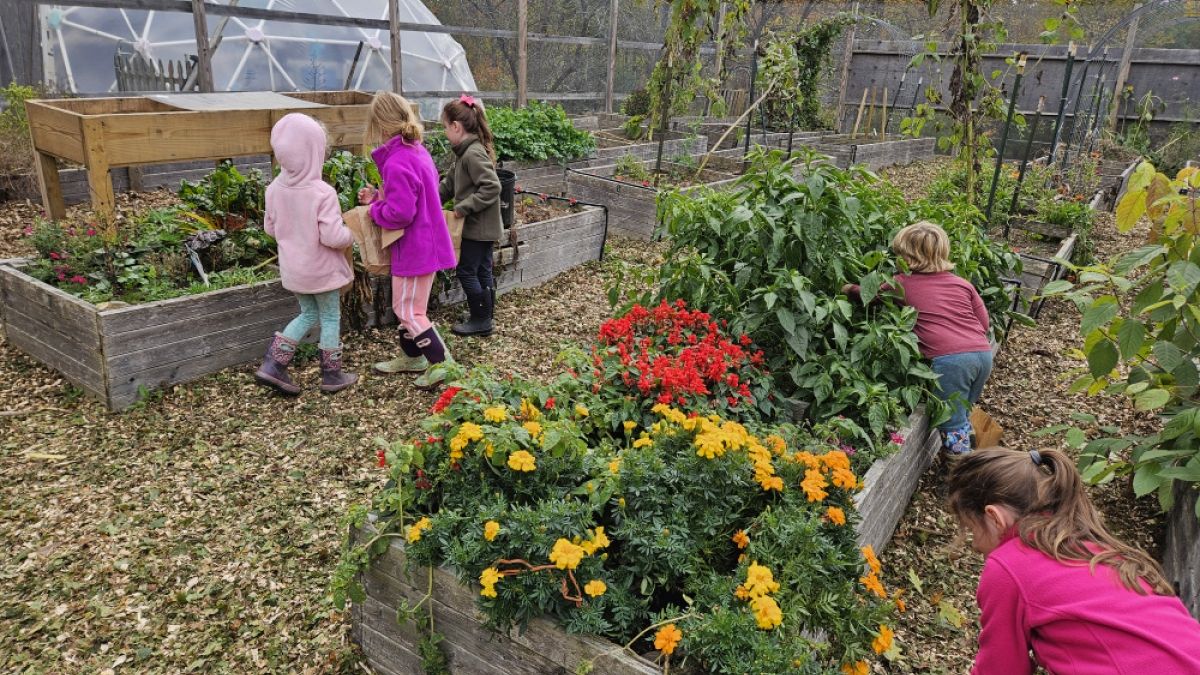
At the heart of our approach is the belief that in nature, children are not defined by a diagnosis, disorder, shape, size, or age. Self-directed programming allows each child to discover what works for them in every environment or activity. We build resilience through appropriate risk-taking, and we always look for each child’s strengths. While they’re here, we want every child to have a “rock star” moment. We say yes whenever we can, and offer appropriate challenges so that each child can grow at their own pace.
What kinds of experience or training do staff need to work in your program?
All teachers employed by Turn Back Time are licensed by the Massachusetts Department of Early Education and Care. Many of our teachers hold degrees in environmental conservation, psychology, and education, and many also have completed college coursework in nature-based education. Every employee completes onboarding with our director to learn the philosophies and policies that make our program unique. We pair seasoned staff with newer employees to create mentorships that enrich learning for both teachers and students.
How did your golf tournament fundraiser start? Do you have other funding streams to help keep your programs accessible?
A few years ago, one of our employees suggested we hold a golf tournament to raise money specifically for our scholarship fund. This fund provides financial assistance to families in need and covers the additional staffing needed to support students and allow for accommodations when necessary.
We currently also receive a monthly grant from the Massachusetts Department of Early
Education and Care. This grant has helped us hire qualified teachers and maintain low student-to-teacher ratios.
From the beginning, friends and families have been very supportive of our program. Some community members support us with annual gifts through charitable foundations, while others give regularly through tax-deductible donations. Families whose children attend our program often contribute as well, and Turn Back Time has received small grants and charitable gifts from organizations throughout our community. We are so grateful for all the support from our donors!
What advice would you give programs that want to better include children with disabilities?
Be clear on your philosophies, values, and mission. A strong mission will guide you as you structure supportive practices that allow for inclusion. Over the years, we’ve learned a lot! Here are some of the lessons we love to pass on:
- The most important concept every employee must embrace is that behavior is always a form of communication.
- Inclusion works best with low student-to-teacher ratios. At TBT, each adult supports four to five children, and class sizes are capped at 15.
- Building relationships with children is essential. As we often say, “connection before correction.”
- Creating a culture of “yes” strengthens the bond between teachers and students.
- Collaborative problem-solving helps us see challenging behavior as a lagging skill rather than willfulness. When children help find solutions to their own problems, it builds connection and trust and gives them the skills to solve problems on their own.
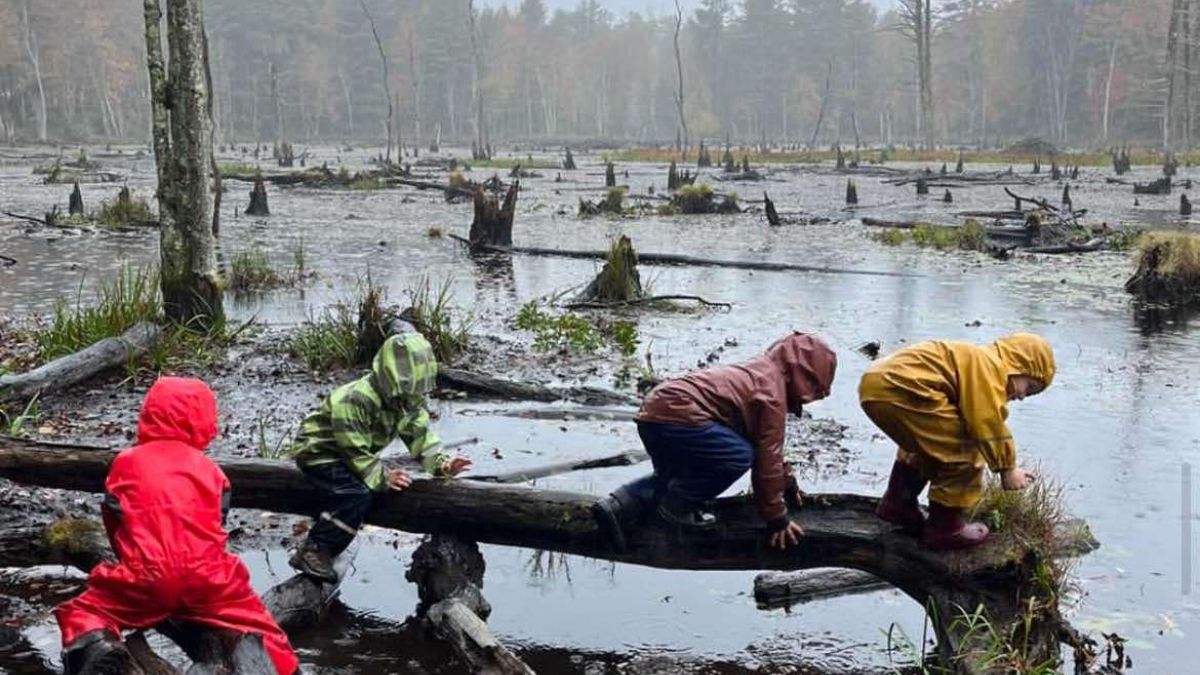
You can start small: TBT started in 2012 with just 3 preschoolers. You don’t need to sell your house and buy a farm to get children outdoors; every effort makes a difference.
Being intentional about inclusion will help you meet the needs of your community,
creating opportunities for every child.