
Natural Start hosts a robust library of webinar recordings featuring experts in nature-based early learning. This curated collection is here to inspire and equip you for the new school year. Interested in more? View the entire webinar library here.
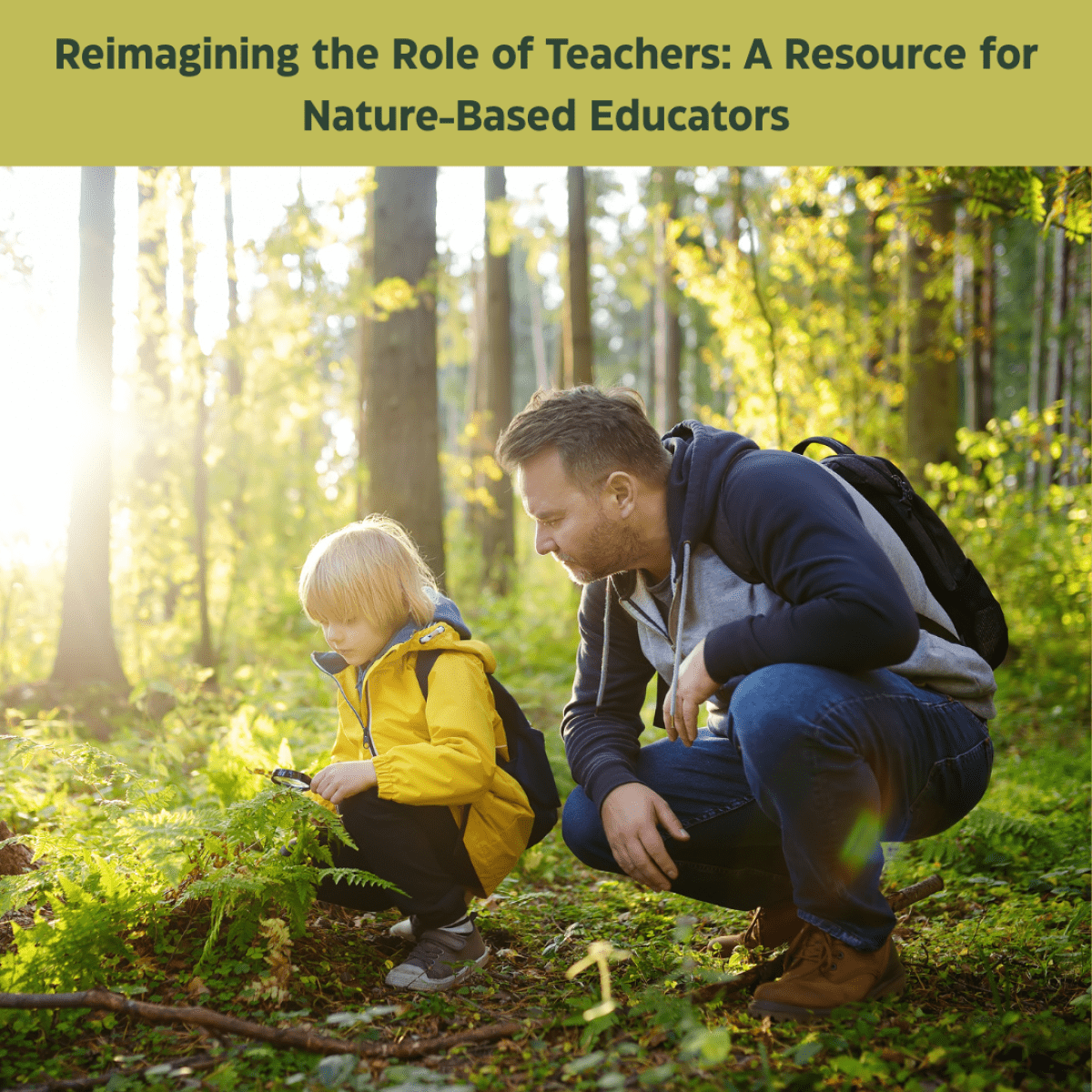
Authors Dr. Claire Warden and Dr. Rachel Larimore discuss how educators can identify and embody the many roles they play when implementing nature-based strategies — a great fit for classroom teachers newly exploring nature integration.

Drawing on research from Dr. Deja Jones and hands-on expertise from Ashley Causey-Golden, this session explores co-creating outdoor play spaces with Black children ages 3–6—centering empowerment, power dynamics, and an expanded view of nature.
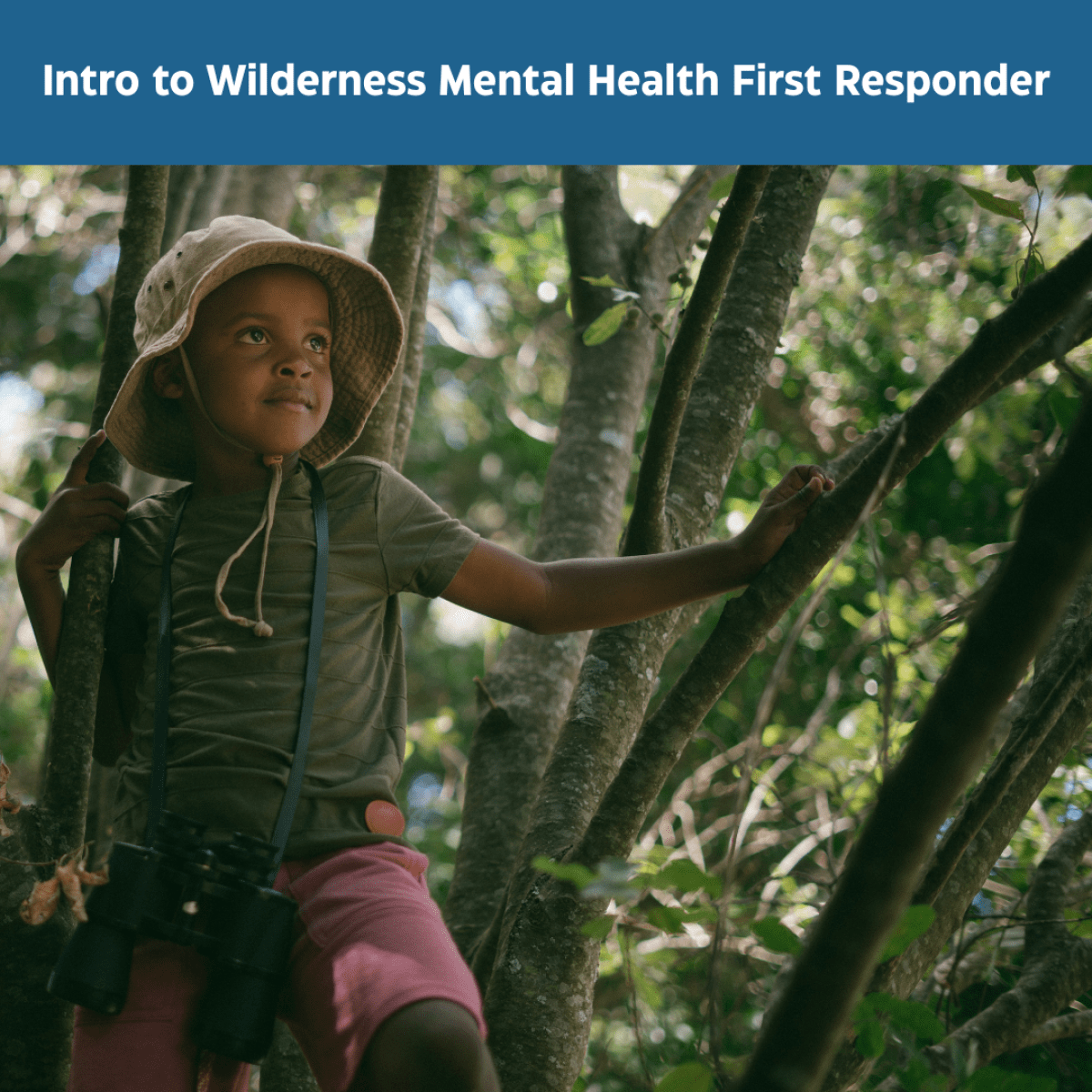
Drawing on 25 years of wilderness EMT and therapy experience, plus research, Nicole Thurrell of the Institute for Wilderness and Emergency Medicine introduces wilderness mental health first response: nervous system regulation, supporting someone in emotional overwhelm or acute stress, and core routines for resiliency.
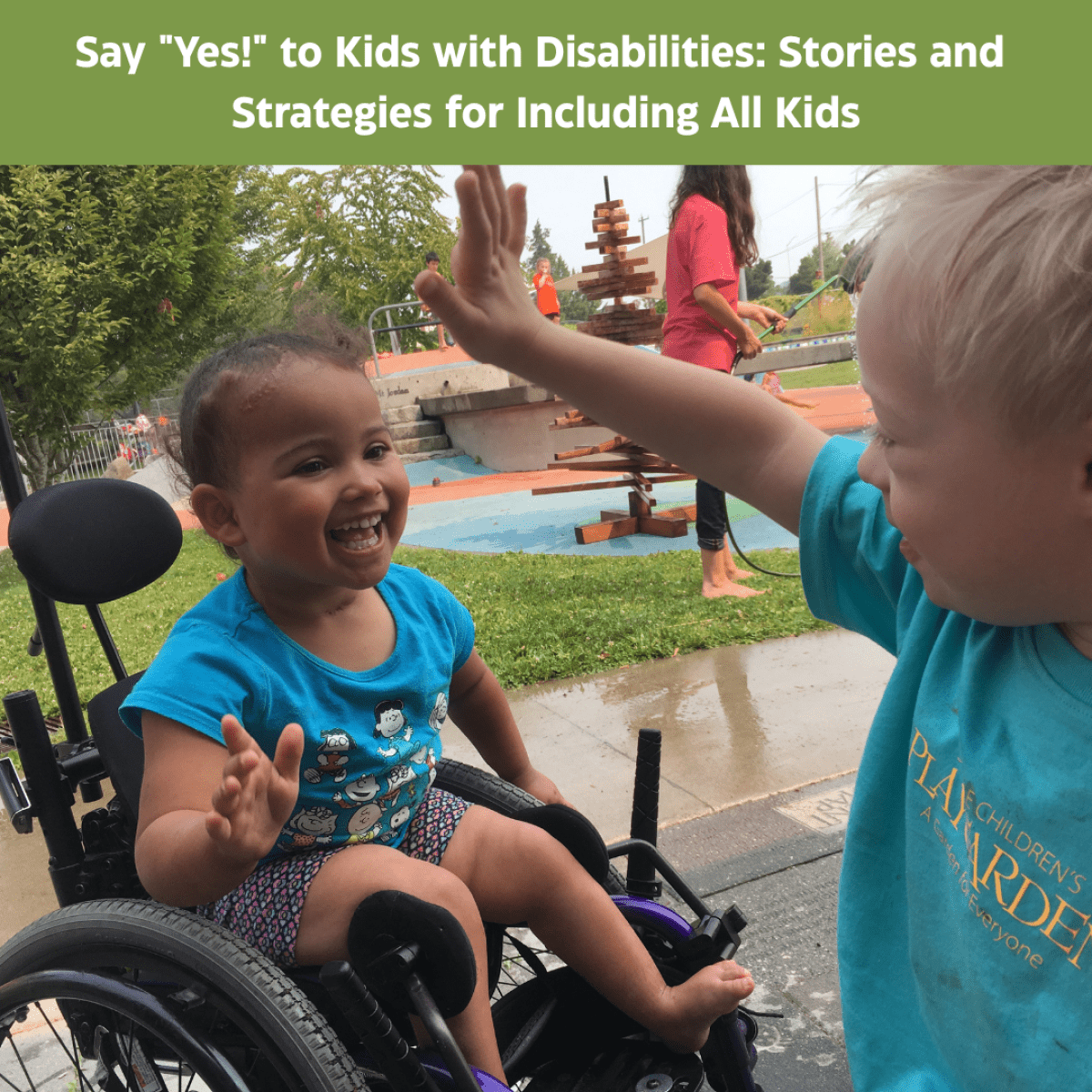
Hannah Gallagher, Inclusive Programs Director at Seattle Playgarden, shares practical strategies for making nature-based programming more inclusive for children with disabilities—timely guidance for building inclusive outdoor learning environments from day one.
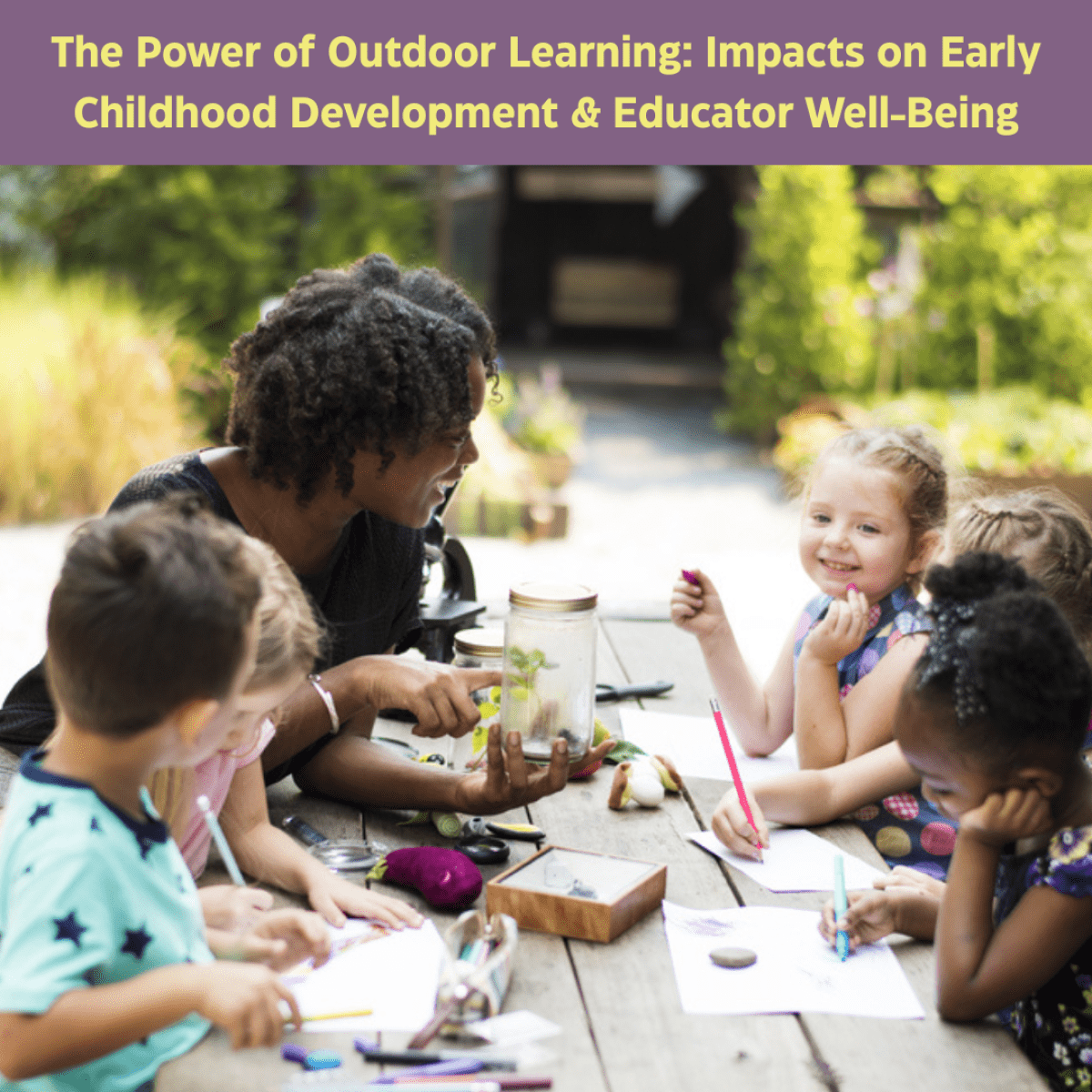
Hear from Dr. Arianna Pikus of Texas A&M as she shares findings from three studies on how outdoor learning environments boost early literacy, numeracy, and executive function, support physical and social-emotional development, and reduce educator stress and burnout.

Emily Johnson, co-author of Flourishing in Winter: Guidance for Cold-Weather Play, drew on insights from Minnesota and Norway to cover the benefits of cold-weather play, strategies for building positive attitudes and engaging families, dressing tips, and winter play activity ideas.
Diona Reese Williams—a nature-based preschool administrator and former mental health clinician—explains what reflective practice is and why it matters for early childhood educators, showing how it can reduce teaching-related stress while improving practice, and offers real-world examples plus tips for using it as a supervisor or peer.